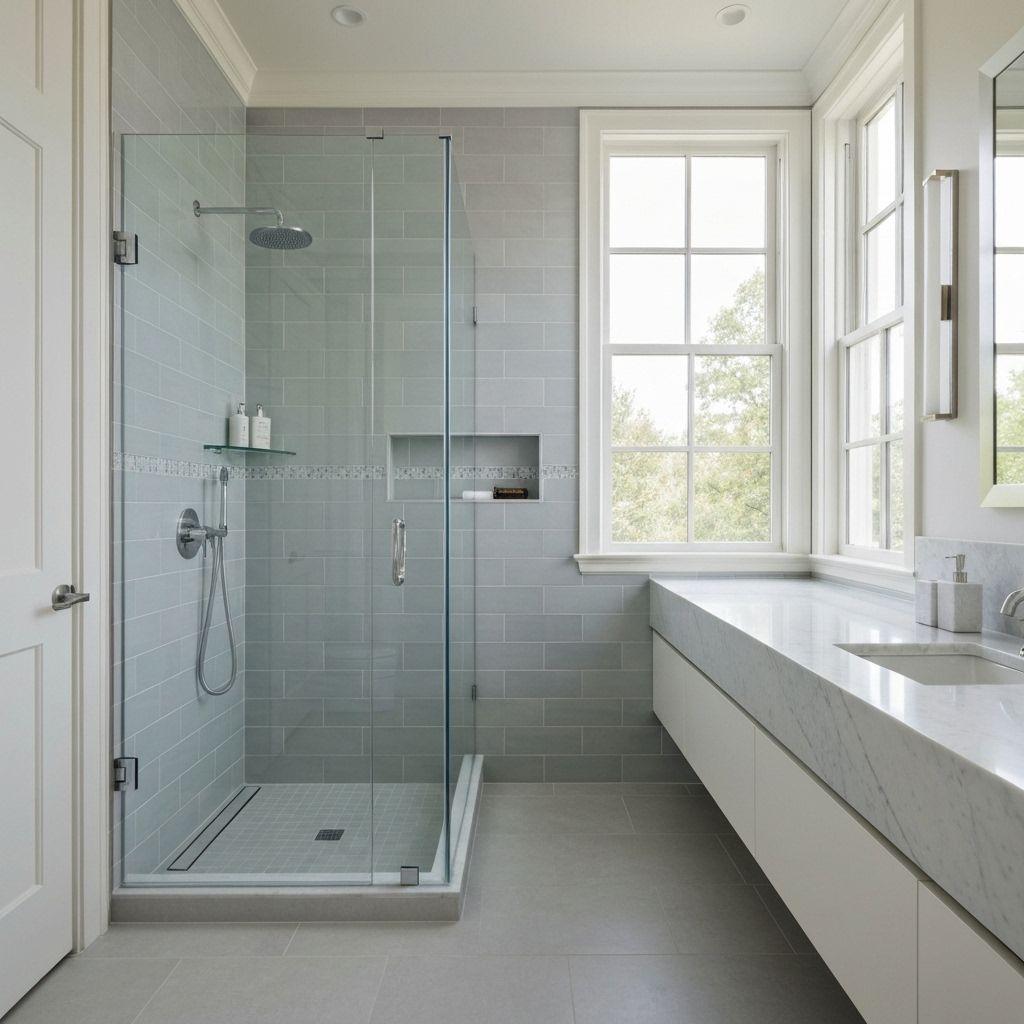
Tub-to-Shower Conversion in Seattle: 2026 Cost, Options & What to Avoid
What a tub-to-shower conversion costs in Seattle in 2026, from a basic swap to a curbless walk-in, with the waterproofing, drain, and resale decisions that matter more than the tile.
Tub-to-shower conversions are the most requested bathroom project we get, and for good reason: most people have not taken a bath in years, stepping over a tub wall gets harder every decade, and a walk-in shower makes a small Seattle bathroom feel twice the size. Here is what the project really costs, the three ways to do it, and the one mistake that ruins the resale math.
The short answer
| Option | 2026 Seattle cost | Timeline |
|---|---|---|
| Acrylic shower base and wall panels | $9,500 – $16,000 | 3 – 5 days |
| Tiled shower with curb, glass door | $17,000 – $28,000 | 2 – 3 weeks |
| Curbless walk-in, linear drain, full tile | $26,000 – $42,000 | 3 – 4 weeks |
National guides quote $3,000 to $10,000 for this job. Those numbers assume a one-day acrylic insert over existing walls, no plumbing changes, and labor rates well below King County's. When a Seattle contractor quotes you $6,000, ask exactly what is behind the new wall.
Where the money goes
- Demolition and disposal: $900 – $1,800. A cast-iron tub weighs 300 pounds and has to be cut in place. Tile walls come down with the drywall behind them.
- Plumbing: $2,200 – $5,500. A shower drain is 2 inches; a tub drain is 1.5 inches. Code requires the upsize, which means opening the floor. Moving the valve to a better height and adding a handheld is in this range.
- Waterproofing and substrate: $1,500 – $3,500. Cement board or foam board, a sheet or liquid membrane, a sloped pan. This is the part you never see and the only part that matters in year eight.
- Tile and labor: $4,000 – $14,000. Large-format porcelain is the budget sweet spot. Mosaics, herringbone, and natural stone add labor hours fast.
- Glass: $1,800 – $4,500. Frameless 3/8-inch tempered glass is what most clients choose. A fixed panel with no door is cheaper and keeps the room open.
- Fixtures: $800 – $3,500. Valve, trim, showerhead, handheld, niche, bench, grab bars.
- Electrical, ventilation, permit: $900 – $2,400. A proper exhaust fan on a timer is required and is the cheapest mold insurance there is.
The resale question: should you remove your only tub?
This is the one decision we push back on. If the house has another bathtub anywhere, convert away. If this is the only tub in the house, think hard. Families with small children, and a surprising share of buyers in general, screen listings for "at least one tub." Removing the only tub from a three-bedroom house in Ballard or Kirkland can narrow your buyer pool noticeably.
Our rule: in a primary bathroom, convert. In the only full bath in the house, keep a tub unless you are staying 10-plus years or mobility makes the decision for you. Our ROI guide goes deeper on which bathroom choices hold value.
Curbless or curb?
A curbless shower has no step at all. The floor slopes gently to a linear drain and the glass sits directly on tile. It is the best option for aging in place, for wheelchair access, and honestly for anyone who wants the room to look larger. It costs more because we have to lower the subfloor or build up the rest of the bathroom floor to get the slope, and the waterproofing has to extend across the whole room.
In a home on a slab or a condo with concrete floors, curbless can be impractical. In a wood-framed Seattle house with joists we can access, it is usually a $4,000 to $8,000 upgrade over a curbed shower and well worth it if you plan to stay.
Plan for the future even if you do not need it yet. Blocking in the walls for grab bars costs $150 during framing and $1,500 after tile. A bench, a handheld on a slide bar, and a 36-inch opening cost almost nothing now and are the difference between staying in your house and not. We put the blocking in every shower we build.
Acrylic versus tile: an honest comparison
Acrylic systems are not what they were. A quality base with solid-surface wall panels, properly installed over new substrate, is a durable, grout-free shower at roughly half the cost of tile. Where they fall short is appearance in a higher-end home and flexibility of layout. Where tile falls short is grout maintenance and installation quality, which varies wildly. If your budget is under $15,000 and the rest of the house is modest, acrylic is the right call. Above that, in a primary bath, tile.
What to avoid
- The one-day insert over existing walls. It traps whatever is already behind the tile. If there is moisture back there, you have sealed it in.
- Keeping the 1.5-inch tub drain. It is not to code for a shower and it will back up.
- Skipping the permit. A conversion that changes the drain needs a plumbing permit in Seattle. No permit means no inspection of the waterproofing, which is the only step that protects your floor joists.
- No exhaust fan upgrade. A walk-in shower puts more steam in the room than a tub ever did.
Pairing it with a full bathroom remodel
About half of our conversions turn into full bathroom remodels once the client sees what the new shower does to the room. If the vanity, floor, and lighting are also 20 years old, doing it all at once avoids a second round of dust and typically saves 10 to 15 percent over two separate projects. Our bathroom renovation cost guide covers the full-remodel numbers, and our small bathroom storage guide helps if square footage is tight.
Ready to lose the tub? Book a free in-home consultation or call (818) 808-6902. We will measure, check the drain and the subfloor, and give you an honest number for each of the three options. See our bathroom remodeling services for details.
Written by Cyrus Arya, founder of Pro Remodeling LLC.
Next step
Ready to price out your own project?
Tell us what you are thinking about and we will come measure, talk through options, and give you an honest budget range. Serving Seattle, Bellevue, Redmond, Sammamish, Kirkland and the greater Eastside.